
Knowing how to test gold jewelry is essential for anyone buying, selling, or inheriting pieces. This process helps confirm authenticity and avoid scams. Many counterfeit items look real but contain little or no actual gold. As a result, testing becomes a necessary step before making decisions. Moreover, accurate identification protects your investment. Whether you’re shopping online or at a flea market, caution is key. In addition, understanding the value of your jewelry can lead to better resale outcomes. Therefore, learning how to test gold jewelry should be a top priority.
Another reason to test gold jewelry is peace of mind. You may have inherited family heirlooms with no documentation. Without verification, it’s hard to know what you truly own. Furthermore, some jewelers apply thin gold plating over base metals. These items wear down quickly and lose value. By using simple home tests, you can spot fakes early. Also, professional appraisals offer even greater accuracy. Consequently, combining both methods gives the best results. Thus, taking time to verify gold content pays off in the long run. Ultimately, how to test gold jewelry is a skill every owner should develop.
 Understanding Gold Hallmarks and Stamps
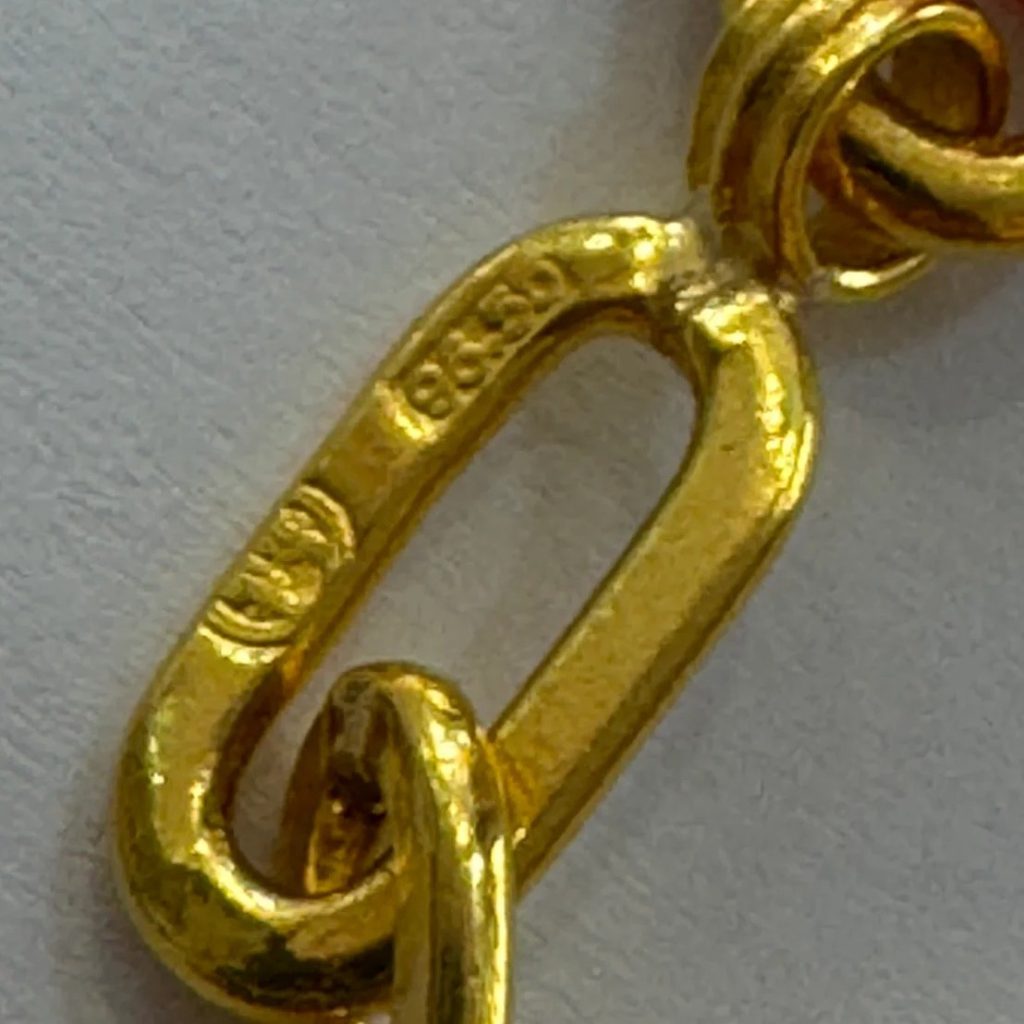
One of the first steps in how to test gold jewelry is checking for hallmarks. These small engravings indicate purity levels. For example, “14K” means 14-karat gold, which contains 58.3% pure gold. Similarly, “18K” stands for 75% gold content. These stamps are usually found on clasps, rings, or inner bands. Therefore, always inspect these areas closely with a magnifying glass. Moreover, genuine marks are crisp and evenly pressed. Fuzzy or uneven imprints may signal counterfeit products.
Another point to consider is international differences in marking systems. Some countries use numeric codes instead of letters. For instance, “585” represents 14-karat gold, while “750” means 18-karat. Knowing these equivalents helps when buying imported jewelry. In contrast, unmarked pieces raise red flags. While not all real gold has stamps, absence increases suspicion. Hence, further testing becomes necessary. Additionally, older vintage pieces might lack modern stamps due to historical practices. However, this doesn’t excuse skipping verification. As a result, hallmark inspection is just one part of how to test gold jewelry.
Performing the Magnet Test
The magnet test is one of the easiest ways to begin how to test gold jewelry. Real gold is non-magnetic. That means it will not attract to a strong magnet. First, hold a neodymium magnet near the piece. Then, observe if there’s any pull or movement. If the jewelry sticks or shifts toward the magnet, it likely contains iron or nickel. These metals are common in fake gold alloys. Therefore, a positive reaction suggests the item is not solid gold.
However, a lack of magnetic attraction does not guarantee authenticity. Some counterfeiters use non-magnetic base metals like brass or copper. They then coat them with a gold layer. As a result, the magnet test alone is not enough. It serves only as an initial screening tool. Nevertheless, it’s fast, safe, and requires no special equipment. Also, you can perform it at home without damaging the piece. Because of this, many experts recommend starting here. Thus, while helpful, the magnet test must be followed by more reliable methods when learning how to test gold jewelry.
 Using the Skin Discoloration Method
Another simple way to explore how to test gold jewelry is observing skin reactions. Pure gold does not tarnish or cause discoloration. If your skin turns green or black after wearing a piece, it may not be real gold. This reaction often happens with base metals like copper or nickel. These materials oxidize when exposed to sweat and air. Over time, they leave marks on the skin and clothing. Therefore, discoloration is a warning sign.
Still, not all gold causes this issue equally. Lower karat gold, such as 10K or 14K, contains other metals. These alloys can sometimes react with acidic skin types. As a result, mild discoloration might occur even with authentic pieces. However, heavy staining or itching suggests poor quality plating. In contrast, higher karat gold like 18K rarely causes such effects. Also, people with sensitive skin may react differently. Thus, this method offers clues but isn’t foolproof. It works best when combined with other techniques in how to test gold jewelry.
Conducting the Nitric Acid Test
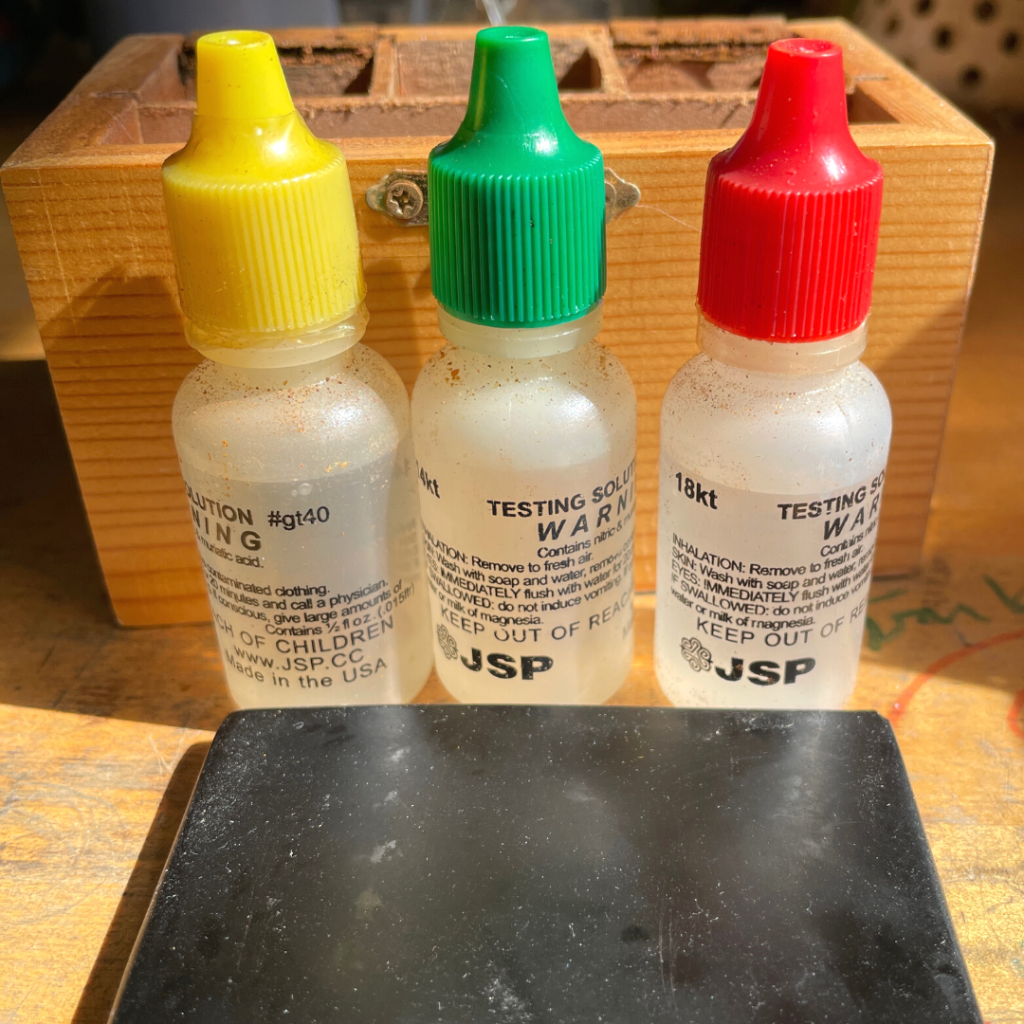
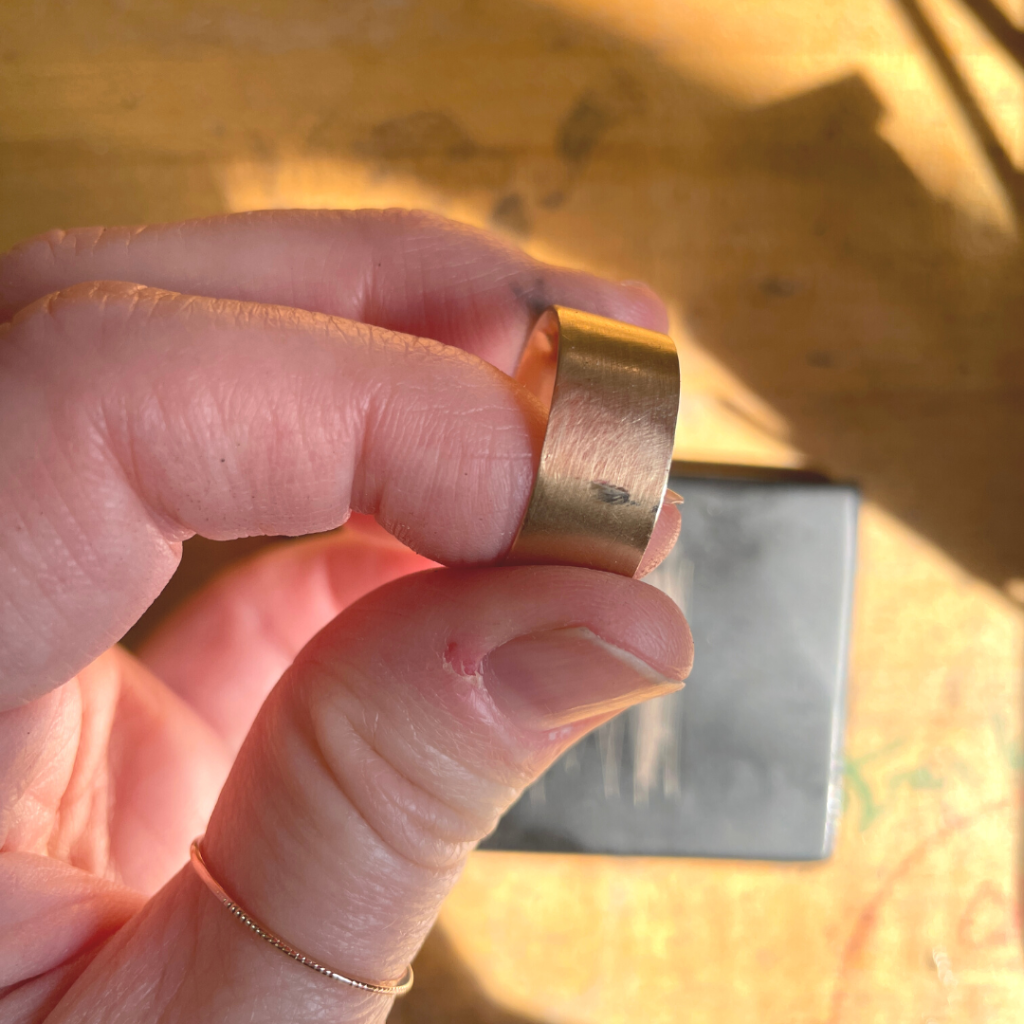
The nitric acid test is a more advanced method within how to test gold jewelry. It relies on chemical reactions to detect metal composition. First, make a small scratch on an inconspicuous area. Use a testing stone or file to expose the inner metal. Then, apply a drop of nitric acid to the spot. Watch for changes in color or fizzing. Real gold will show little to no reaction. Fake gold or base metals bubble or turn green immediately.
Safety is critical during this test. Always wear gloves and work in a ventilated space. Nitric acid is corrosive and can damage skin or surfaces. Also, do not use this method on plated jewelry unless you intend to destroy the surface. Once tested, the area may remain marked. Therefore, reserve this technique for pieces you are certain about. Despite its risks, the nitric acid test delivers clear results. Moreover, testing kits are widely available online. They often include multiple acids for different karats. Hence, this approach adds precision to how to test gold jewelry.
 Measuring Density Through Water Displacement
A scientific yet accessible way to learn how to test gold jewelry is the water displacement method. Gold has a high density—about 19.3 grams per cubic centimeter. Most imitation metals are lighter. To perform this test, first weigh the jewelry on a precise scale. Record the mass in grams. Next, fill a graduated cylinder with water. Note the starting water level. Then, submerge the piece completely. Observe the new water level and calculate the volume difference.
After obtaining both weight and volume, divide mass by volume. The result is the item’s density. If it’s close to 19.3, the piece is likely real gold. Values below 15 suggest mixed or fake materials. However, hollow or intricate designs may affect accuracy. Air pockets inside can lower apparent density. Therefore, solid items give the most reliable readings. Also, remove any non-gold parts like gemstones before testing. Otherwise, they skew the results. While not perfect, this method provides strong evidence when figuring out how to test gold jewelry.
Seeking Professional Appraisal Services
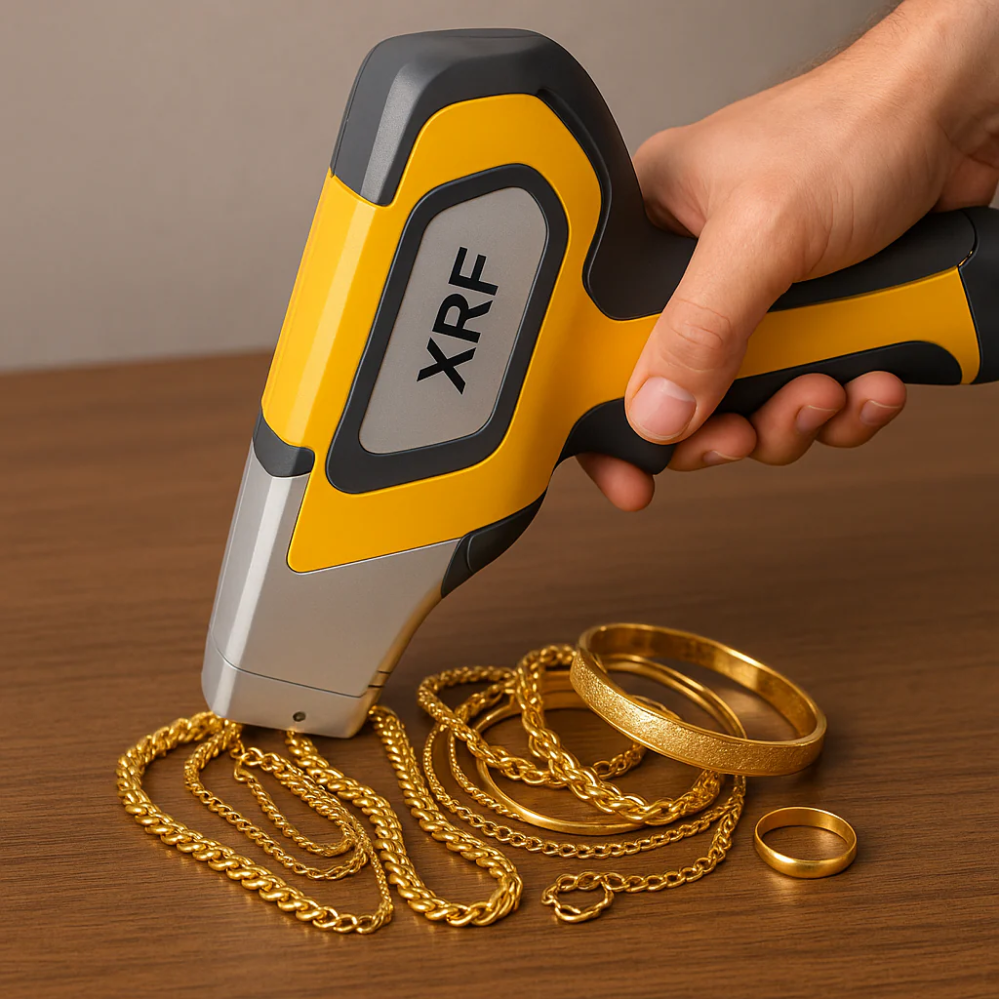
While home tests offer quick insights, professional appraisal remains the most accurate path in how to test gold jewelry. Certified jewelers use specialized tools like X-ray fluorescence (XRF) analyzers. These devices scan the surface without causing damage. They provide exact metal composition within seconds. As a result, you receive a detailed report on karat and purity. Moreover, professionals can identify hidden stamps or worn markings.
Another benefit is legal documentation. An official appraisal can serve as proof of value. This matters when insuring, selling, or donating jewelry. Reputable labs also follow strict standards. Their findings carry weight in courts or resale markets. In contrast, home tests lack formal recognition. Even if accurate, they aren’t accepted as official proof. Therefore, for high-value items, skip guesswork. Instead, invest in expert evaluation. Thus, combining DIY checks with professional help completes how to test gold jewelry.
 Frequently Asked Questions About Testing Gold Jewelry
Can I test gold jewelry without damaging it?
Yes, several non-destructive methods exist. The magnet test and visual inspection cause no harm. Also, electronic testers and XRF scanners preserve the item’s condition. These tools are ideal for valuable or sentimental pieces. Therefore, always start with safe options.
Does gold plating pass basic tests?
Sometimes. Plated jewelry may pass magnet and skin tests. However, acid or scratch tests usually reveal the base metal underneath. Wear and tear also expose plating over time. As a result, deeper analysis is needed for certainty.
Is 24-karat gold suitable for daily wear?
Not always. Pure gold is soft and scratches easily. Most everyday jewelry uses 14K or 18K for durability. Higher gold content increases value but reduces strength. Hence, balance beauty with practicality.
Do all real gold items have stamps?
No. Older, handmade, or imported pieces may lack hallmarks. Absence doesn’t mean fake, but it raises questions. Additional testing becomes necessary in such cases. Always verify through multiple methods.
Can cleaning affect test results?
Yes. Dirt, oils, or polish residue can interfere. Always clean the jewelry with mild soap and water first. Dry it thoroughly before testing. This ensures accurate contact and readings.
 Final Thoughts
Learning how to test gold jewelry empowers you as a buyer and owner. It protects against fraud and ensures fair pricing. From simple home checks to professional analysis, each method adds clarity. Moreover, combining several approaches increases confidence in results. Whether you’re clearing out an estate or shopping online, vigilance pays off. Also, understanding gold’s properties makes you a smarter consumer.
Ultimately, how to test gold jewelry is not just about spotting fakes. It’s about valuing what you own and making informed choices. With practice, these skills become second nature. Start with easy tests and build knowledge over time. For valuable pieces, never hesitate to consult an expert. In the end, proper verification brings security and satisfaction. Keep this guide handy whenever you handle gold items.