
Understanding the Basics of Weight Loss
How the Body Burns Fat
Can swimming help you lose weight? Weight loss happens when you burn more calories than you consume. This creates a calorie deficit. The body then uses stored fat for energy. Over time, this leads to visible changes.
Fat burning requires consistent effort. Diet plays a major role. Exercise supports the process. Together, they create lasting results. No single activity works alone.
Metabolism varies from person to person. Some burn calories faster. Others need more movement to see progress. Age, gender, and muscle mass affect this rate.
Daily habits shape outcomes. Sleep, stress, and hydration matter too. Poor rest slows metabolism. High stress increases cravings. Staying hydrated aids digestion. These factors connect closely.
The Role of Cardio in Shedding Pounds
Cardiovascular exercise is key for fat loss. It raises heart rate and oxygen use. This increases calorie burn during and after workouts. The effect lasts for hours.
Activities like walking, cycling, and running are common. But impact on joints can be high. This limits options for some people. Low-impact choices become essential.
Swimming offers strong cardio benefits without strain. It engages large muscle groups continuously. Arms, legs, and core all work together. Heart rate stays elevated.
Now many ask, can swimming help you lose weight? The answer is yes. It provides steady aerobic activity. It builds endurance over time. Consistency brings real change.
 Why Swimming Is an Effective Exercise
Full-Body Engagement and Muscle Activation
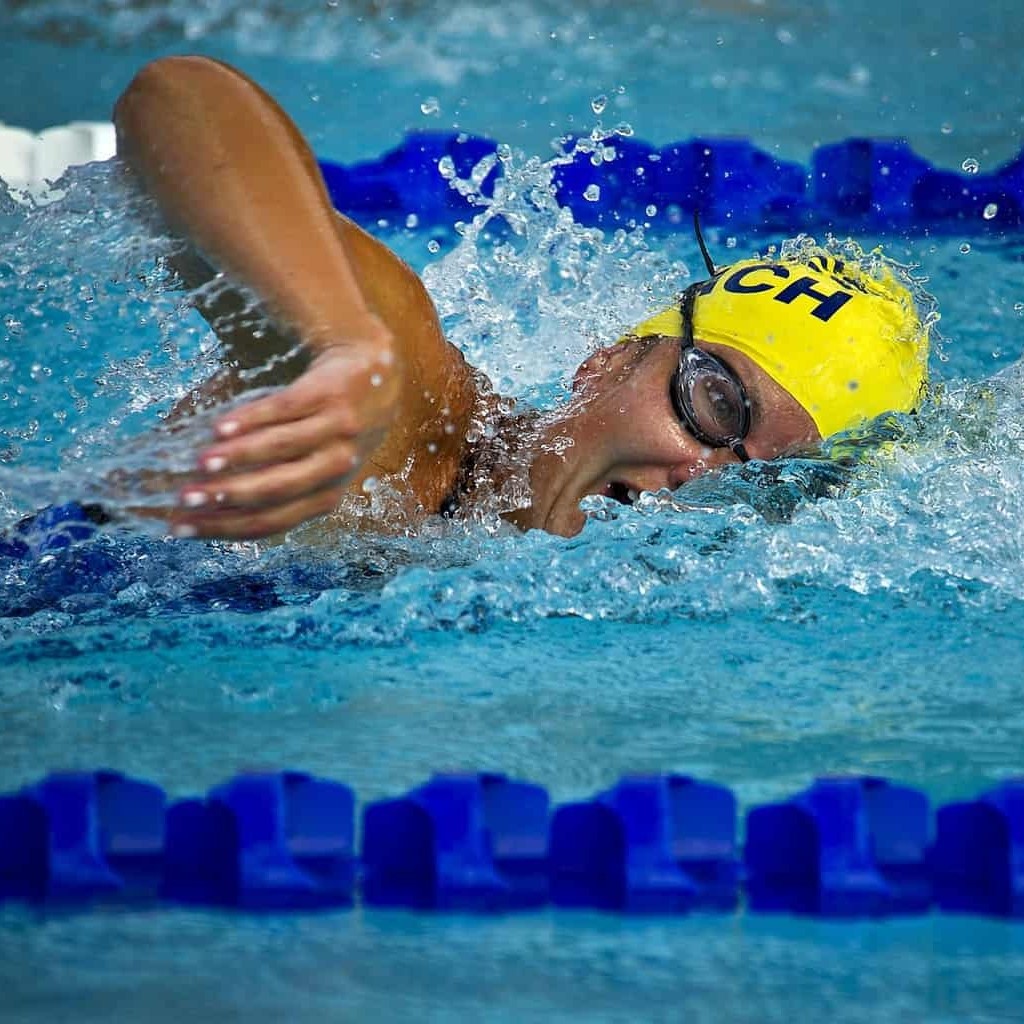
Swimming uses almost every major muscle group. The arms pull through water with resistance. Legs kick powerfully to maintain motion. The core stabilizes the entire body.
Each stroke adds unique challenges. Freestyle builds shoulder strength. Breaststroke works inner thighs. Backstroke improves posture. Butterfly demands total coordination.
Water creates natural resistance. Every movement fights against it. This increases effort without weights. Muscles grow stronger over time.
Unlike machines, swimming never feels repetitive. The rhythm flows naturally. Focus shifts between breath, pace, and form. Mind and body stay engaged throughout.
Joint-Friendly Nature of Aquatic Workouts
One of swimming’s biggest advantages is low impact. Water supports up to 90% of body weight. Joints experience minimal pressure. This protects knees, hips, and ankles.
People with arthritis or past injuries benefit greatly. They stay active without pain. Recovery becomes part of the routine. Movement no longer causes fear.
Even overweight individuals find success. Extra weight does not limit mobility. Buoyancy helps them move freely. Confidence grows as fitness improves.
This accessibility makes swimming sustainable. Long-term adherence is critical for weight loss. When exercise feels good, people stick with it. That’s where real change begins.
Calorie Burn and Metabolic Effects
Comparing Swimming to Other Exercises
Can swimming help you lose weight? Calorie burn depends on intensity and duration. Moderate swimming burns comparable calories to jogging. Faster laps exceed those numbers. The range is wide and flexible.
A 30-minute session can burn several hundred calories. Harder strokes increase this amount. Butterfly and freestyle lead in energy use.
Cycling and brisk walking also burn well. But they require land-based effort. Swimmers avoid heat buildup and joint fatigue. Cooling water regulates body temperature.
Swimming keeps the heart working steadily. There are no sudden stops or starts. Rhythm supports continuous fat burning. This makes it highly efficient.
Afterburn Effect and Resting Metabolism
Exercise continues to burn calories after the workout ends. This is called excess post-exercise oxygen consumption (EPOC). Swimming triggers this response effectively.
The body works to restore balance. Oxygen levels return to normal. Temperature cools down. Muscles repair minor damage. All these processes use energy.
Regular swimmers notice increased resting metabolism. Muscle gained from resistance boosts baseline burn. Even at rest, the body consumes more fuel.
Cold water may enhance this slightly. The body works harder to stay warm. However, comfort should never be sacrificed. Warm pools still deliver strong results.
 Creating a Swimming Routine for Weight Loss
Setting Realistic Goals and Tracking Progress
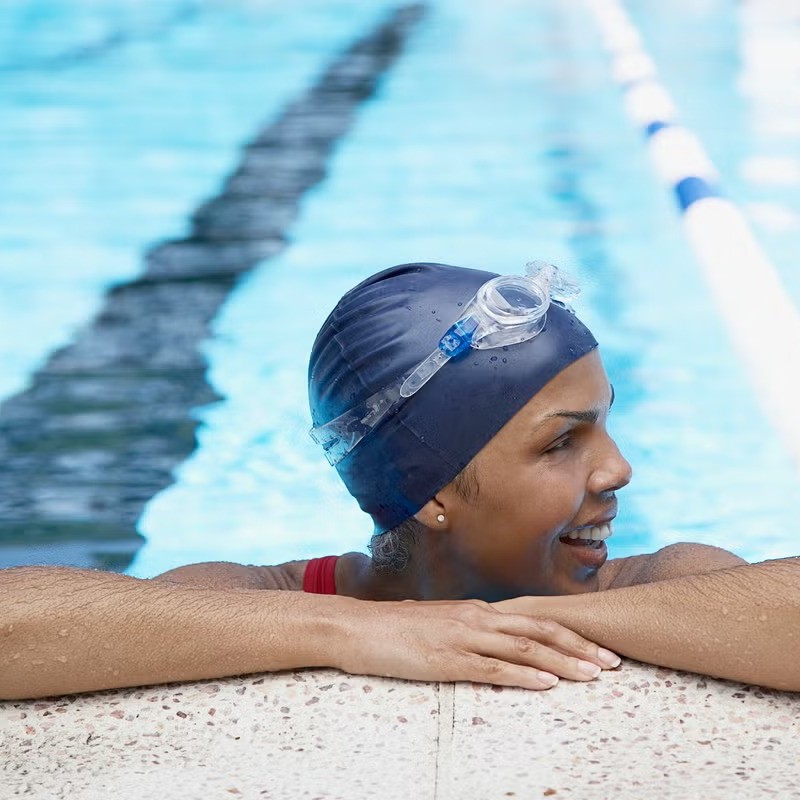
Start by defining clear goals. Aim to swim two to four times per week. Begin with 20 to 30 minutes per session. Gradually increase time and speed.
Track your efforts in a journal or app. Note distance, strokes used, and how you felt. Seeing improvement builds motivation. Small wins add up over time.
Set milestones like swimming a full lap without stopping. Or completing ten lengths of freestyle. Celebrate each achievement. Positive reinforcement keeps momentum going.
Structuring Effective Swim Workouts
Warm up with easy laps for five to ten minutes. Use backstroke or breaststroke to loosen muscles. Then shift into main sets.
Alternate between fast and slow intervals. For example, sprint one lap, recover on the next. This builds stamina and burns more fat.
Mix up strokes to prevent boredom. Include drills like kicking with a board. Add pull buoys to focus on upper body. Variety challenges different muscles.
Cool down with gentle swimming. Stretch arms and shoulders afterward. Hydrate even though you’re in water. Sweat still occurs during intense effort.
 Diet and Lifestyle Support for Results
Nutrition That Fuels Aquatic Activity
Food fuels performance in the pool. Eat balanced meals with protein, carbs, and healthy fats. Carbohydrates provide quick energy for workouts.
Time meals wisely. Have a light snack before swimming. Bananas, yogurt, or toast work well. Wait at least 30 minutes after eating.
After swimming, refuel within an hour. Protein helps rebuild muscles. Lean meats, eggs, or plant-based sources are ideal. Pair with complex carbs like oats or sweet potatoes.
Stay hydrated throughout the day. Drink water before and after sessions. Replace electrolytes if swimming long distances. Avoid sugary drinks that undo progress.
Sleep, Stress, and Recovery Habits
Rest supports fat loss as much as movement. Aim for seven to nine hours of sleep nightly. Poor rest increases cortisol. This hormone promotes fat storage.
Manage stress through mindfulness or breathing exercises. High anxiety leads to emotional eating. Staying calm reduces cravings.
Take rest days seriously. Muscles need time to recover. Overtraining causes burnout and injury. Listen to your body’s signals.
Active recovery helps too. Walk on off days. Stretch gently. Light movement improves circulation. It speeds up healing without strain.
 Frequently Asked Questions
Can swimming help you lose weight around the belly?
Yes, but spot reduction isn’t possible. Swimming burns overall body fat. With time, belly fat decreases too. Combine it with healthy eating for best results.
Core engagement during strokes strengthens abdominal muscles. As fat reduces, definition appears. Patience and consistency are required.
How often should I swim to lose weight?
Aim for at least three to five sessions per week. Each should last 30 minutes or more. Include both steady swimming and interval training.
Beginners can start with two days. Build up slowly to avoid exhaustion. Listen to your body and adjust as needed.
Is swimming better than running for weight loss?
It depends on personal needs. Running burns more per minute on average. But swimming is easier on joints. It allows longer, more comfortable workouts.
Swimming also builds muscle evenly. Runners may develop imbalances. Swimmers gain full-body strength. Choose based on health and preference.
Do I need to swim laps to see results?
Laps are effective, but not the only way. Water aerobics, treading water, or playing games burn calories too. Any sustained movement counts.
Focus on keeping your heart rate up. Enjoyment increases adherence. Find what feels good and stick with it.
Can I lose weight just by swimming without changing my diet?
Possibly, but slower results occur. Exercise alone can create a deficit. However, dietary changes accelerate progress. Combining both yields faster outcomes.
Avoid overeating after workouts. Hunger may increase. Choose nutritious foods instead of junk. Awareness prevents sabotage.
What is the best stroke for burning fat?
Butterfly burns the most due to intensity. Freestyle is close behind. Breaststroke and backstroke are moderate. Mix them for variety and balance.
Use intervals to boost calorie burn. Alternate hard and easy rounds. This keeps metabolism active.
How long until I see weight loss results?
Most people notice changes in 4 to 8 weeks. Initial water retention may hide early progress. Stay consistent beyond the first month.
Measure progress beyond the scale. Take photos, track clothing fit, and note energy levels. Non-scale victories matter too.
Can older adults lose weight by swimming?
Absolutely. It’s ideal for seniors. Low impact protects joints. Water provides resistance safely. Many report improved mobility and confidence.
Start slow and build endurance. Consult a doctor if needed. Supervised classes offer support and motivation.
 Final Thoughts on Sustainable Success
Building a Lifelong Healthy Habit
The real value of asking “can swimming help you lose weight” lies in sustainability. It’s not just about short-term results. It’s about creating a lifestyle.
Swimming feels enjoyable for many. It reduces mental stress. It connects people to water and nature. These emotional benefits increase long-term commitment.
When exercise becomes something you look forward to, success follows. No willpower battles are needed. Action flows naturally from desire.